
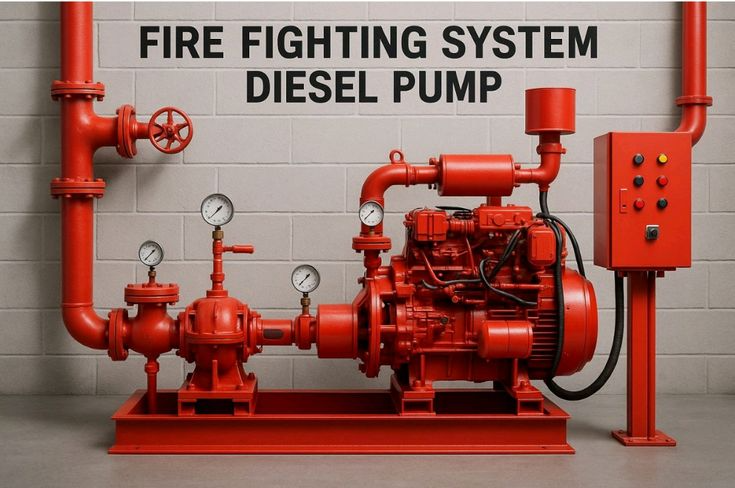
Connecticut high-rise commercial buildings need fire pumps to deliver sprinkler and standpipe hydraulic demand at proper pressure. The fire pump can run on electric power from the building utility service with emergency generator backup. Or it can run on diesel fuel with a self-contained engine. Both meet NFPA 20 fire pump installation requirements when properly designed and installed. The right choice depends on your building’s utility power reliability, code requirements for the occupancy and available emergency generator capacity. This decision guide compares electric and diesel fire pumps side by side. Royal Fire Protection installs electric and diesel fire pumps in Connecticut. Our team brings over 20 years of fire protection experience to every high-rise project.
How Electric Fire Pumps Work in Connecticut Buildings
PARAGRAPH (100-150 words) Electric fire pumps use an electric motor connected to the building utility service for primary power. NFPA 20 requires emergency power backup. That usually comes from a building emergency generator that starts automatically on utility power loss. Electric fire pumps are common in Connecticut commercial buildings with reliable utility service and existing emergency generator capacity. Stamford corporate office towers, Hartford insurance buildings and downtown New Haven medical buildings use electric fire pumps. Most suburban West Hartford multifamily developments also use electric pumps with generator backup. Electric pumps are quieter than diesel, take less space in the pump room and require less maintenance. They have lower long-term operating costs than diesel over 25 to 30 years.
How Diesel Fire Pumps Work in Connecticut Buildings
PARAGRAPH (100-150 words) Diesel fire pumps use a self-contained diesel engine for primary power. The pump can run for hours on the onboard fuel tank without external power supply. NFPA 20 requires diesel fuel storage sized for at least an hour of full-load operation. Day tank capacity verification and engine starting battery maintenance are also required. Diesel fire pumps are common in Connecticut industrial buildings along the I-84 corridor. Manufacturing facilities in Waterbury and Bristol also use them. Buildings where utility power reliability is a concern often choose diesel. The diesel engine starts on its own batteries and operates independently from the building electrical system. Diesel pumps take more space than electric pumps, generate more noise during testing and require more maintenance.
Code Requirements and When Diesel Is Required
PARAGRAPH (100-150 words) NFPA 20 specifies when diesel fire pumps are required versus optional. Buildings without reliable emergency generator backup that can carry the full fire pump load require diesel pumps. Some occupancy classifications and building heights drive specific reliability requirements. Diesel pumps meet these more easily than electric with generator backup. Connecticut high-rise buildings often specify diesel for the perceived reliability advantage. Sometimes electric with generator backup would meet code just as well. Industrial buildings with critical process operations often choose diesel because the pump operates independently from the building electrical system. That same electrical system may also be affected by the same outage. Local fire marshal preferences sometimes drive electric versus diesel selection in specific Connecticut municipalities.
Cost Comparison and Long-Term Operating Considerations
PARAGRAPH (100-150 words) Electric fire pumps typically cost less than diesel pumps to install when the building already has emergency generator capacity. Diesel pumps add the engine, fuel tank, day tank, batteries, exhaust system and ventilation requirements. All that drives up initial cost. Annual NFPA 25 inspection costs are similar between the two pump types. But diesel pumps require additional annual fuel system service, oil changes and battery testing. Electric pumps don’t need those. Over the 25 to 30 year service life of a typical fire pump, electric pumps usually cost less to operate and maintain than diesel pumps. Building owners weighing cost against reliability often choose electric with generator backup for new Connecticut high-rise construction. That’s unless specific code or occupancy requirements drive diesel selection.