How Often Should Commercial Sprinklers
Be Inspected in Connecticut?

Annual NFPA 25 Inspection by Licensed Contractor
Annual inspection by a licensed Connecticut fire protection contractor is the core requirement for commercial sprinkler systems. The annual inspection includes visual inspection of every accessible sprinkler head, alarm valve testing, main drain testing, control valve operation, fire department connection check, gauge verification and fire pump testing if a pump is present.
| Interval | Component | Who Performs |
|---|---|---|
| Monthly | Control valves, gauges, sprinkler head visual, FDC visual | Building staff |
| Quarterly | Hydraulic placards, alarm devices, supervisory signals | Building staff or contractor |
| Annual | Full system inspection, alarm valve test, main drain test, fire pump test, sprinkler heads, standpipe flow test | Licensed contractor required |
| 5-Year | Internal standpipe hose valve inspection, dry pipe valve trip test, antifreeze concentration | Licensed contractor required |
The licensed inspector provides a written report within three to five business days documenting deficiencies, photographs of significant issues and recommendations for corrective action. The annual inspection report becomes part of the building's permanent fire protection records and gets reviewed by the local fire marshal during prevention visits.
Monthly and Quarterly Inspections by Building Staff
Visual checks of control valves, gauges, sprinkler heads visible from common areas and exterior fire department connections. No pressure testing required.
Hydraulic placards, alarm devices and supervisory signal devices. Requires documentation in the building fire protection log.
Monthly and quarterly inspections do not require licensed contractor work, but they do require documentation in the building's fire protection log. Buildings without dedicated maintenance staff often hire their licensed contractor to handle quarterly inspections as well as the annual visit.
Some property management companies in Connecticut bundle monthly walks with other building inspection routines like elevator checks and emergency lighting tests. This keeps the documentation process efficient and centralized.
Five-Year Internal Inspections and Special Testing
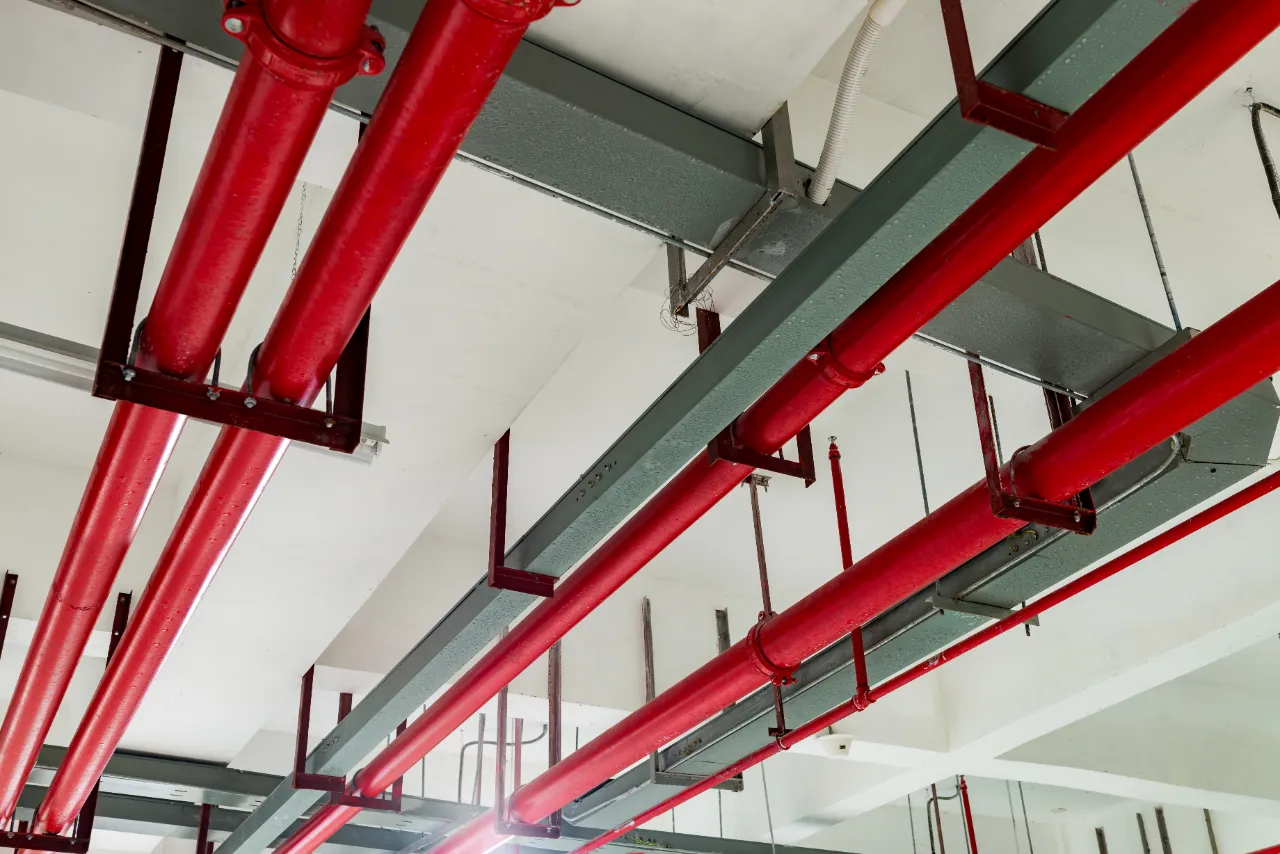
Five-year internal inspection involves opening and inspecting internal valve components for wear, corrosion and proper operation. Required for standpipe systems in mid-rise and high-rise Connecticut buildings.
Dry pipe valves require five-year trip testing in addition to the annual functional test. Common in Danbury and other inland Connecticut buildings with unheated storage spaces.
Antifreeze loop concentration testing in cold-weather Connecticut buildings often runs annually before winter to verify proper freeze protection. Critical for buildings with unheated sections.
Fire pump performance testing at three points on the pump curve happens annually. Full pump rebuild or replacement work follows the pump manufacturer's recommendations and system inspection findings.
Connecticut Documentation and Fire Marshal Review
Connecticut fire marshals review sprinkler inspection records during commercial building prevention visits. The records need to show the annual NFPA 25 inspection by a licensed contractor, monthly and quarterly inspection logs from building staff, and any corrective actions performed in response to identified deficiencies.
Keep paper records or digital copies for at least three years, ideally longer. Insurance carriers often request inspection records during policy renewal or after a claim. Royal Fire Protection delivers inspection reports in formats compatible with property management software so building owners can integrate the records into their existing systems without extra work.
Building owners with multiple Connecticut commercial properties usually maintain a centralized inspection records system. One licensed contractor handling all properties means consistent documentation format, faster response on deficiencies and a single accountable party for the full portfolio.
Frequently Asked Questions
NFPA 25 requires annual inspection by a licensed contractor for most commercial sprinkler systems. Monthly visual checks and quarterly inspections by building staff are also required. Five-year internal inspections apply to standpipe hose valves and some sprinkler components.
Building staff can perform monthly and quarterly visual inspections under NFPA 25, but annual inspections must be performed by a licensed Connecticut fire protection contractor. The licensed inspection includes alarm valve testing, fire pump testing and other work that requires professional credentials.
Cost depends on building size, system complexity, fire pump configuration and standpipe scope. Small commercial inspections cost less than large industrial facilities with multiple risers. Free written estimate after a site walkthrough of your specific Connecticut building.
The licensed inspector documents deficiencies in the written report and recommends corrective action. The fire marshal may require correction within a specific timeframe. Insurance carriers may flag the building. Most deficiencies are corrected by scheduling repair work with the same contractor.
Yes. Any commercial building with a fire sprinkler system requires NFPA 25 annual inspection regardless of building size. Small retail spaces, restaurants and offices all follow the same inspection schedule as larger industrial facilities and warehouses.
Yes. Royal Fire Protection performs both annual inspections and repair work. Single contractor handling both services means consistent inspection records, fast response on identified deficiencies and one accountable party for the entire sprinkler system in your building.
Need Annual Sprinkler Inspection in Connecticut?
Call Royal Fire Protection for NFPA 25 commercial sprinkler inspection statewide. Licensed inspectors, detailed written reports and complete code compliance documentation for fire marshal review.